The Leadership Library Mutaaf Aziz
The Leadership Library: Books that shape how I think. Lessons that shape how I lead.
A collection of books on engineering, leadership, teams, strategy and personal growth, with summaries, key ideas, my reflections, and how I’m applying them in real life.
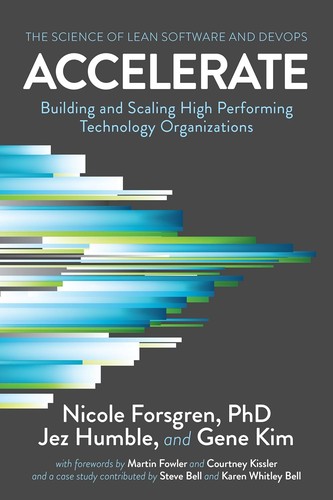
- Accelerate by Nicole Forsgren, Jez Humble and Gene Kim
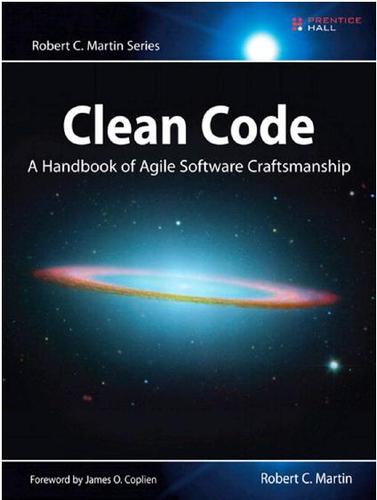
- Clean Code by Robert C. Martin
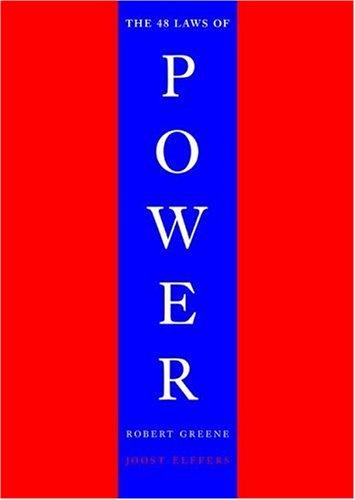
- The 48 Laws of Power by Robert Greene
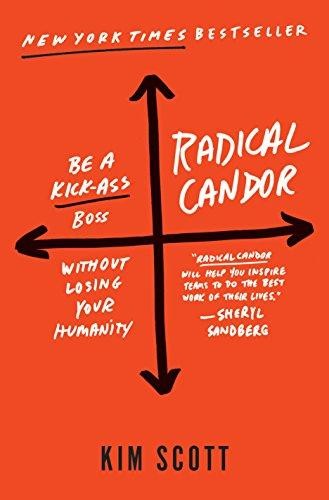
- Radical Candor by Kim Scott
- Drive by Daniel H. Pink
- The Five Dysfunctions of a Team by Patrick Lencioni
- Extreme Programming Explained by Kent Beck and Cynthia Andres
- Peopleware by Tom DeMarco and Timothy Lister
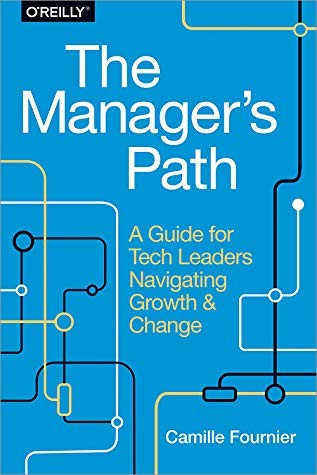
- The Manager’s Path by Camille Fournier
- An Elegant Puzzle by Will Larson
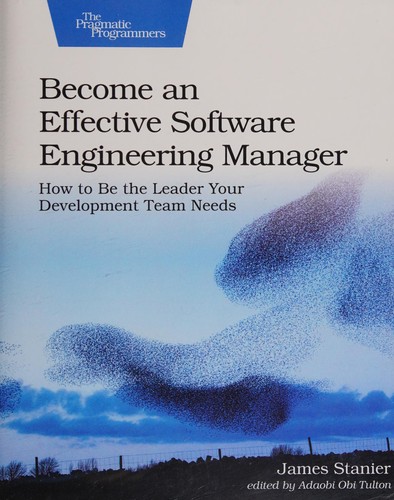
- Become an Effective Software Engineering Manager by James Stanier

The more you learn, the more you see how much there is to learn.
Recently Added
See all- Become an Effective Software Engineering ManagerStanier
- An Elegant PuzzleLarson
- The Manager’s PathFournier
- PeoplewareDeMarco & Lister
- Extreme Programming ExplainedBeck & Andres
- The Five Dysfunctions of a TeamLencioni
- DrivePink
- Radical CandorScott
- The 48 Laws of PowerGreene
- Clean CodeMartin
- AccelerateForsgren & Humble & Kim
A portrait in spines
You can tell who someone is by the books on their shelf.
So I put mine together into the shape of the person they made. Every stripe is a book, as thick as the book. Tap one to see what it gives away about me.
Eleven books, one person. Still being written.
My leadership philosophy
Build the system. Earn the trust. Let autonomy do the rest.
Give engineers, and people, the space and autonomy to succeed, with the right tools and systems in place, and you can reach a great result every time. The craft is the balance between alignment and autonomy. But the true value of a team is whether its people trust each other: a psychologically safe place where making mistakes, asking questions and moving forward are all part of the work.
Anyone can be successful here. Partnership and collaboration are how we get there.
The foundation
Trust & psychological safety
Mistakes, questions and moving forward are all part of it. Everything else runs on this.
Shaped byThe Five Dysfunctions of a TeamPeoplewareRadical Candor
01
Alignment
Take the complexity of everything we know and put it into a systemic process: clear goals, clear constraints, shared context.
02
Systems & tools
The right tools and systems make the right thing the easy thing, so success never depends on heroics.
03
Autonomy
Autonomy flows from that alignment: room to decide, own and solve, inside guardrails everyone understands.
Shaped byDriveBecome an Effective Software Engineering Manager
04
Learn & grow
A cycle of learning and growing: we ship, we look honestly at what happened, we get better, and we go again.
How I read
Every block on a book’s page says whose claim it is.
Book's argument
A summary of what the book argues, and its own model. Never a long quotation.See an example →My interpretation
What I take from it, for engineering teams and for the AI agents I run.See an example →My application
What I do with it, and the questions I ask my own teams.See an example →My critique
Where it’s dated, overreaches, or is only true in some rooms.See an example →
All Books
Explore the full collection, organized by themes and categories.
Empty shelf
Nothing matches that. Try an author's surname or a theme.
My Reading Journey
A timeline of books, insights, and how my thinking has evolved.
- Clean CodeAug 2022
- The Manager’s PathMar 2023
- PeoplewareJun 2023
- Radical CandorSep 2023
- The Five Dysfunctions of a TeamFeb 2024
- Extreme Programming ExplainedJun 2024
- DriveOct 2024
- AccelerateMay 2025
- The 48 Laws of PowerDec 2025
- Become an Effective Software Engineering ManagerIn progress
- An Elegant PuzzleRevisiting
Key Themes Across Books
How ideas from different books connect, complement, or challenge each other.
- Management craft(Effective SE Manager)
- Organizational design(An Elegant Puzzle)
- Team culture(Peopleware)
- Engineering excellence(Extreme Programming)
- Trust and accountability(Five Dysfunctions of a Team)
- Feedback and coaching(Radical Candor)
- Power and influence(48 Laws of Power)
- Scaling organizations(An Elegant Puzzle)
Latest Insights
View all
- Accountability has to be built inWhen we counted, only about a quarter of my agent fleet’s pull requests had been reviewed before they merged. Nobody was hiding anything; the system simply let work land without the check. Lencioni puts accountability near the top of the pyramid, and agents taught me that it has to be designed into the pipeline, not requested.From: The Five Dysfunctions of a Team
- Autonomy on a leashThe same rule I use for engineers works for AI agents: real freedom inside clear boundaries. My reviewer agent can block a change but never approve it, and self-healing stops after two tries and asks a human. Autonomy without a leash isn’t trust, it’s abdication.From: Drive
- Counting found the gapWhen I started recounting my agent fleet's numbers every night, the uncomfortable one was that only about a quarter of agent pull requests were reviewed before they merged. The fix wasn't a reminder; it was a capability: review became a required check. Accelerate's lesson, applied to AI.From: Accelerate
- Design the week, or it designs youA manager’s calendar fills itself with other people’s priorities. Protecting time for hiring, unblocking and writing down decisions is the most leveraged thing I do each week.From: Become an Effective Software Engineering Manager
All 14 insights
- Diagnose the state before the fixA team that is falling behind needs capacity; a team treading water needs less work in progress. Applying the right fix to the wrong state is how good managers make things worse. I name the state out loud before I change anything.From: An Elegant Puzzle
- Each rung is a different jobEvery promotion I’ve had looked like more of the same job and turned out to be a new one. The skill that got me promoted was usually the one I had to put down first.From: The Manager’s Path
- Protect the room, not just the roadmapMost schedule slips I’ve seen started as interruptions nobody counted. I now treat engineers’ focus time like a production dependency: if it goes down, delivery goes down with it.From: Peopleware
- CI lands the work, not the agentEvery change in my fleet merges only when the checks are green, and every merge deploys. It’s Kent Beck’s feedback loop with a new kind of teammate. Tests are the clearest contract you can give a model.From: Extreme Programming Explained
- Trust is the foundationWithout trust, teams spend their energy managing perceptions instead of solving problems. I have watched good engineers go quiet in reviews because admitting a gap felt riskier than shipping one. The fix starts with the leader saying “I don’t know” first, and meaning it.From: The Five Dysfunctions of a Team
- Autonomy drives better workPeople do their best work when they have control over how they work, room to get better, and a reason that matters. My job is to make the what and the why unmistakable and then stay out of the how.From: Drive
- Feedback is a giftCaring personally while challenging directly builds stronger teams and better outcomes. Coaching kids made it obvious: they can tell in seconds whether you believe in them, and only then will they hear the correction.From: Radical Candor
- Know the games, don’t play themPolitics exists in every large organization, and leaders who refuse to see it get blindsided. My answer isn’t to play the games better; it’s to make my work public, measurable and easy to check.From: The 48 Laws of Power
- Readable code is a kindness to the next readerThe next person to change this code might be a teammate, a new hire, or an agent working from a fresh checkout. Names that reveal intent, small functions and tests you can read are what let any of them change it safely. That's why I hold agent-written code to the same bar as human code.From: Clean Code
- Measure the system, not the peopleFour honest numbers (how often we deploy, how long a change takes, how often it breaks, how fast we recover) tell me more about a team than any status meeting. The moment they become targets for individuals, they stop meaning anything, so I use them only to talk about the system.From: Accelerate
Work with me
Mutaaf Aziz
Engineering Director · 3× CTO · Disney+ · Amazon · AWS Certified
Engineering leader with 15+ years of progressive experience scaling software organizations at Fortune 500 companies and early-stage startups. Presently Senior Manager, Software Engineering at Disney directing consumer experience engineering for Disney+ and ESPN+ across web, mobile, and TV platforms.
Seeking Director / VP / CTO roles at organizations where engineering drives competitive advantage. Dallas, TX · Open to Remote / DFW Hybrid
- 15+Years leading engineering
- 150+Hires
- 3×Startup CTO
- 100+iOS & Android apps published
2022 – Present
Walt Disney Company
Senior Manager, Software Engineering
The end-to-end Disney+ and ESPN+ streaming experience across web, mobile, and TV devices.
2021 – 2022
Amazon
Senior Manager, Software Engineering
Last Mile: IoT, real-time data streams, and AI/ML to deliver global fleet management solutions.
2018 – 2021
Avigilon (Motorola Solutions)
Senior Manager, Software Engineering
Computer Vision and IoT security platforms; Digital Transformation using CI/CD, Containerization, and DevSecOps.
2014 – 2022
Overwatch Digital Health · ProVilla · Skrible
CTO & Co-Founder
3× startup CTO with direct board-level reporting.
- AWS Solutions Architect – Professional
- Project Management Professional (PMP)
- B.S. Computer Science, University of Texas at Arlington
Reading is the slow part.
The shelf grows as I read. Nothing here pretends to be finished.